Why High School Students Should Pay Attention to the 2026 Midterms
High school students may not be old enough to vote in every election, but the 2026 midterms will still shape the world they grow up in. Learn what midterms are, why they matter, and how their outcomes will affect students long before they cast their first ballot.
By Arjun Vora, Staff Writer · August 10, 2026 · 3 min read
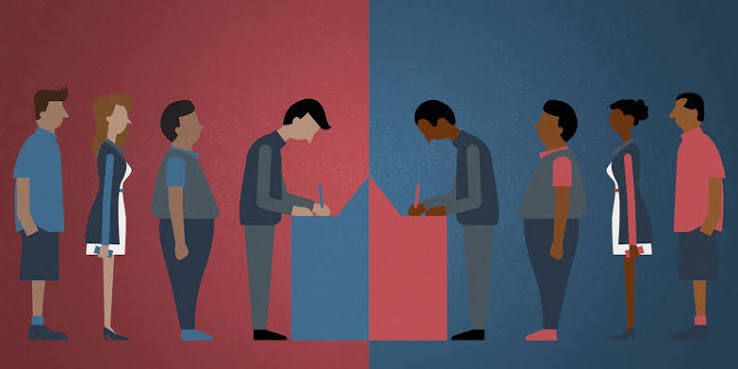
Every four years, the presidential election headlines national conversation. Campaign advertisements appear across television, debates spread on social media, and voter turnout reaches its highest levels. Two years later, however, another national election arrives with far less attention: the midterm elections.
Because the president is not on the ballot, many high school students assume these elections are less important or only matter to older adults. In reality, the officials elected during the midterms help shape many of the policies that affect students. From education funding and college affordability to healthcare and environmental policy, the results of these elections influence decisions that young people will live with for years.
Midterm elections are held halfway through a president's four-year term. Every seat in the U.S. House of Representatives is up for election, along with about one-third of the U.S. Senate. Many states also elect governors, state legislators, and other local officials during the same election cycle. While presidential elections determine who leads the executive branch, midterms often determine which political party controls Congress and how easily a president can advance their agenda.
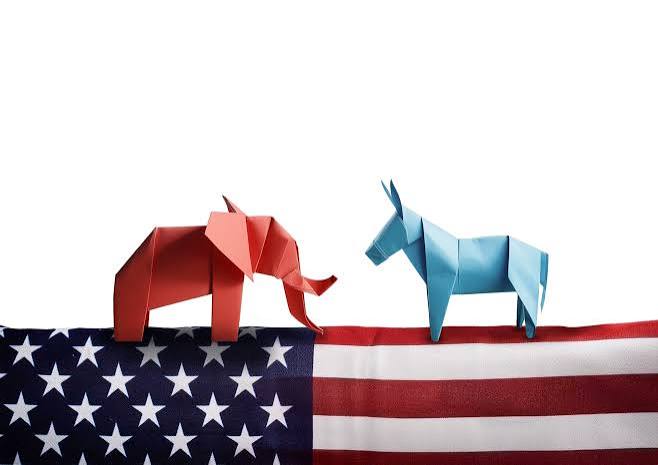
The 2026 midterms are especially important because they will determine how much support President Donald Trump has in Congress during the second half of his term. Republicans currently hold narrow majorities in both chambers. If Republicans retain control, Trump will have a stronger chance of moving legislation through Congress. If Democrats win either the House or Senate, they could slow or block parts of his agenda and increase congressional oversight of his administration. Historically, the president’s party often loses House seats in midterm elections. However, the outcome will depend on candidates, turnout, major issues, and events that occur before election day.
The impact of these elections extends well beyond Washington. Members of Congress vote on legislation involving education funding, federal financial aid, taxes, healthcare, and infrastructure. State lawmakers make decisions about public school funding, graduation requirements, voting laws, and public colleges. Governors can approve or veto bills passed by state legislatures and oversee agencies responsible for carrying out those policies. The decisions these officials make often affect students directly.
The ballot students see can also vary depending on where they live. Most states hold elections for state offices during the same even-numbered years as federal elections, while a small number hold statewide elections in odd-numbered years. In New York, voters in 2026 will elect federal representatives as well as statewide and state legislative offices, meaning a single ballot can include candidates whose decisions affect the country, the state, and local communities.
Midterm elections usually receive less attention than presidential elections, partly because fewer people vote. Presidential elections draw about 60% of eligible voters, while midterm turnout has been historically closer to 45%. With fewer people voting, each election can be decided by a smaller share of the electorate, giving those who participate a particularly important role in determining the outcome.
For many high school students, the 2026 midterms may also be their first real opportunity to connect with a major election. Research from civic education organizations shows that young people who build civic habits early are more likely to stay engaged as adults. Learning about elections before becoming eligible to vote can make registering, researching candidates, and understanding ballot questions feel less overwhelming on Election Day.
Paying attention to the midterms does not mean following every campaign rally or memorizing every candidate's platform. It simply means recognizing the importance of elections between presidential years. By the time many of today's high school students vote in their first presidential election, the officials chosen in 2026 will already be making decisions that shape their schools, communities, and futures.
Bibliography
- Ballotpedia. (n.d.). Off-cycle elections.
- Brookings Institution. (2026). What history tells us about the 2026 midterm elections.
- Center for Civic Justice, Stony Brook University. (2026). Why Midterms Matter.
- Center for Information & Research on Civic Learning and Engagement (CIRCLE), Tufts University. (2020, August 31). Youth Who Learned About Voting in High School More Likely to Become Informed and Engaged.
- Center for Information & Research on Civic Learning and Engagement (CIRCLE), Tufts University. (n.d.). Youth Voting and Elections.
- U.S. Vote Foundation. (2026). When Are the 2026 Midterm Elections? And What Is Their Purpose?