The Time for Youth in Politics is Now
After working on a state Senate campaign, I began to see politics as something much more accessible and directly connected to my own life. Being a fellow, I reflected on the experience and learned that youth fellowships and advisory councils can help more young people understand and participate in the political spaces shaping their future.
By Lexie Qin, Staff Writer · August 30, 2026 · 4 min read
“Why are you doing this?”
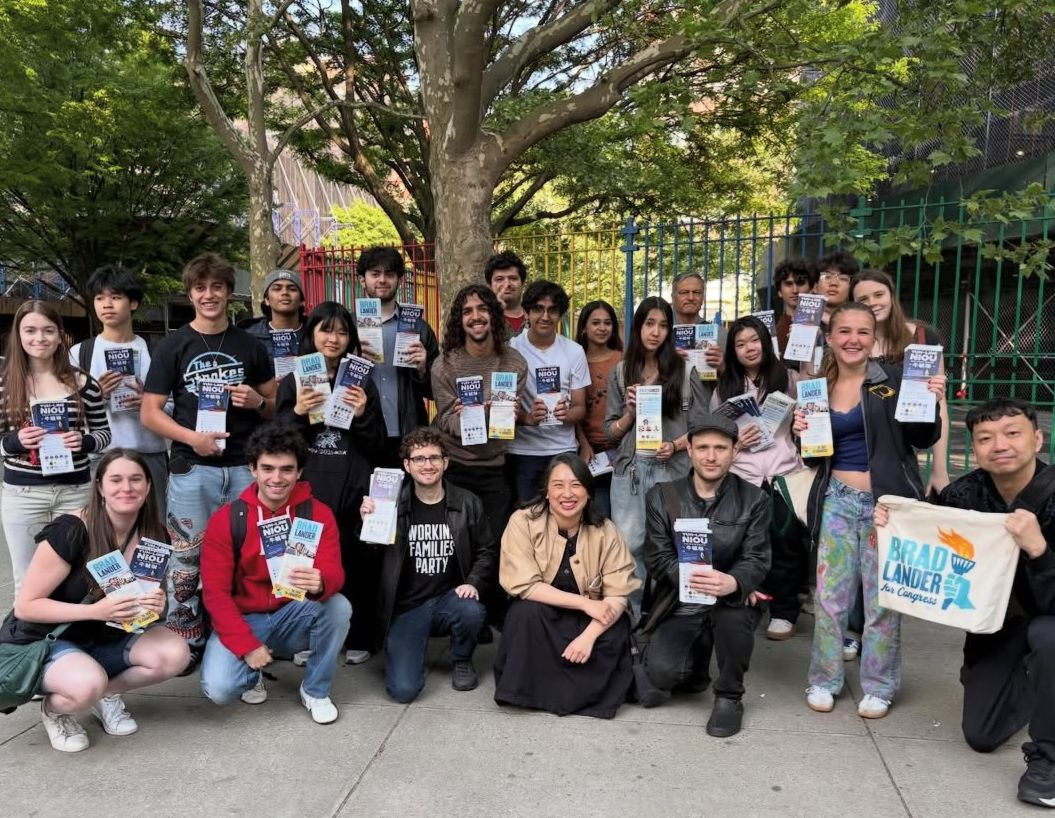
I was knocking on doors and canvassing for Yuh-Line Niou, a candidate for state senate in the New York Democratic primaries for District 27, when someone asked me this question. I had been answering everyone's questions about Yuh-Line’s policies without hesitation, but for some reason I couldn’t find the answer to this one. It made me think: Why was I spending my time door to door and talking to strangers about local politics when I could have been doing something else?
When I first started looking into the campaign, I thought it looked interesting, or maybe it would help me figure out what I wanted to do with my life. At first, I was not able to answer that question above. However, as I spent my time making phone bank calls and explaining Yuh-Line’s policies to my mom, I realized my answer: I want to be involved in the life I will eventually find myself living.
Before working on a campaign, politics felt distant to me. Politicians and voting felt like an abstract group of people whose job was to give speeches and fix the world's problems behind a desk. I understood that politicians’ decisions affected my life, but I had never really seen what it meant for a politician to interact with the people they represented.
Until I joined Yuh-Line Niou’s campaign as a fellow.
Contrary to my original thought, being a fellow doesn’t mean receiving paperwork or listening to an adult tell you what to do; it’s the complete opposite. During my time on the campaign, I spent many days a week knocking on doors and speaking with people in their communities, listening to their struggles and what they hoped to see. I also spent hours phonebanking and talking to voters about policies and changes they wanted. These experiences showed me a side of politics that I had never really encountered before: politics is not just elections, debates, or people sitting in government buildings. It is also the conversations that happen at someone’s front door, the questions people ask about their communities, and the process of listening to the real lives that ultimately live with political decisions. I slowly realized that included everyone I surround myself with. That realization made me recognize how dire politics could be, but it also made it feel much less intimidating.
I had assumed political spaces belonged to people with years of experience and connections. I think that is part of why young people do not participate in politics: it is uncomfortable to enter a space you have only ever experienced from the outside. Youth fellowships give young people a way in. They let us learn by participating in the systems that shape our lives rather than simply learning about them from the outside.
A fellowship does more than teach young people about politics; it lets them participate in the systems that shape their lives. Instead of hearing that elections matter, they can organize one. Instead of learning that politicians represent communities, they can experience that relationship firsthand. That experience matters because young people will live with the consequences of today’s political decisions.
Adults and politicians will always talk about “the future” when discussing policies or the people it affects- us. Too often, that future is imagined through the lens of people who won’t be experiencing it. Young people are told we are the future, while decisions about that said future are still being made largely without us. Not only is it made without our contribution, but we aren’t informed of it. “The future” is expected to sit back and brace for whatever outcome present decisions have made out of it.
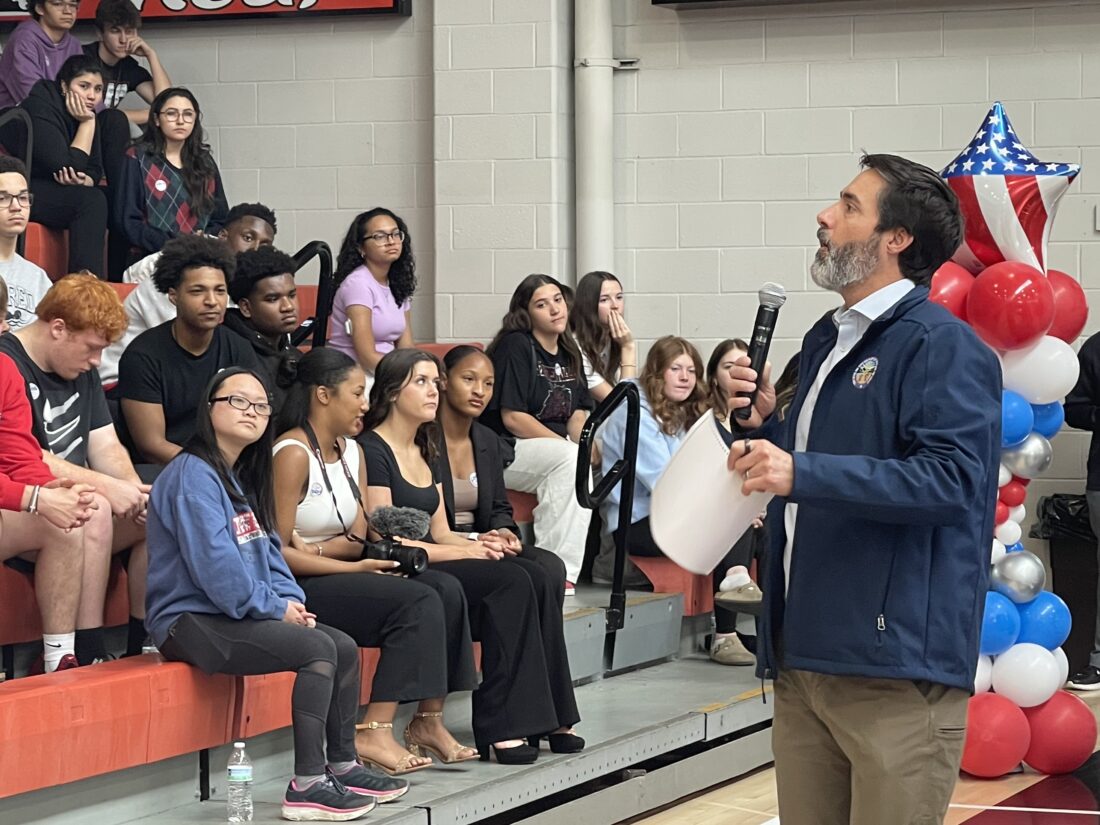
Young people are not simply future voters or future leaders. We are the people who will actually live through the consequences of the decisions being handled today. That does not mean young people should automatically have the right answer, or that our perspectives are more important than anyone else’s. It just means that our experiences and concerns deserve a place in political conversations that will shape our lives. Youth advisory councils and fellowships can create that space by allowing young people to communicate directly with elected officials. These spaces and fellowships can create it by allowing young people to enter political organizations and learn how they operate. During my fellowship, we partnered with other youth-led organizations and attended events like tours of the New York Stock Exchange and U.N. headquarters. Those experiences showed me institutions I had previously encountered only from the outside. These opportunities made politics feel less like a distant institution and more like a community I could participate in.
Most importantly, these opportunities can change how young people see themselves.
My fellowship did not suddenly make politics simple. What changed was my understanding of where I belonged in it. I realized that political participation isn’t something that’s reserved for people who have already found their place. Sometimes, finding your place requires being allowed to insert yourself in the first place. There are no people who don't belong in politics because everyone has a role in it.
The person who asked me why I was working for free gave me a question I still think about to this day. Young people should not have to wait until they are old enough to run for office, or accumulate years of experience, before feeling that they have a place in politics. If we genuinely believe that young people are the future, then we need to open meaningful opportunities to participate in building it.
The future is not some distant place that we will eventually grow into: it is the life we are already preparing to live.